Last Updated on May 7, 2026 by admin
What This Is
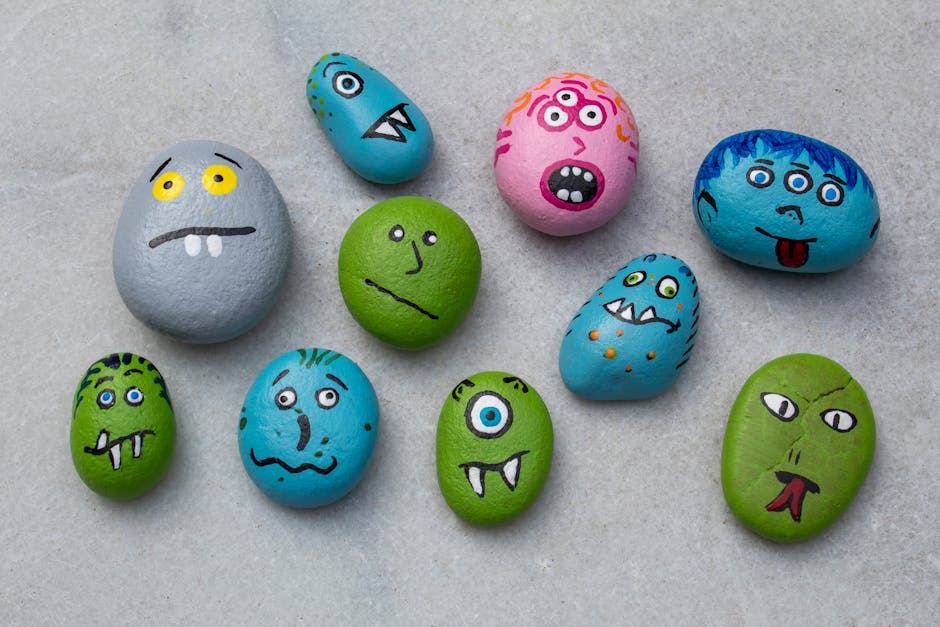
Guests pick a smooth river rock, decorate it with acrylic paint pens, and walk out with a finished piece in 15 minutes or less. It works for kids as young as 4, teens who want something instagrammable, and adults who just want a low-pressure creative moment. Most shops run this as an open-flow station, no reservation needed.
Supplies Checklist: What to Have Ready Before You Open
Per-station:
- Smooth river rocks, roughly 2–4 inches across (a 5-lb bag covers about 25–30 guests)
- Posca acrylic paint pens in medium tip, 8–12 colors per station
- A damp cloth or paper towels for quick hand wipes
- Design inspiration cards, laminated (more on these below)
Setup:
- A plastic tray or baking sheet to keep rocks from rolling
- Small cups or a pencil holder to keep paint pens upright between uses
- Krylon UV-Resistant Clear Coat spray for sealing (used by staff only, outside or in a ventilated area)
Optional:
- A “finished rocks” drying rack or dedicated tray so wet rocks don’t get grabbed too early
- Metallic Posca pens in gold and silver — these always go fast with the older crowd
- Sticker accents (small stars, hearts) for guests who want extra detail without painting skill
One note on paint pens vs. open bottles of acrylic: don’t bother with the bottles. The pens eliminate drips, brushes, and water cups, which means you’re not mopping up a table every 20 minutes.
Design Cards and Inspiration Boards That Speed Up the Session
The single biggest time-sink at a rock painting station isn’t the painting. It’s the five minutes a guest spends staring at a blank rock, unsure where to start. Laminated design cards fix this almost completely.
Print 10–15 designs on cardstock, laminate them, and lay them flat across the table. Think simple shapes: a sun with 8 rays, a cactus, a geometric chevron pattern, a ladybug. Keep the designs to 3 colors max so guests don’t feel overwhelmed. I also like to include one “words only” card showing lettering ideas like “You’ve got this” or “Be kind” because those are perennial favorites for guests who want to hide their rocks in the community later.
A small corkboard or foam board propped behind the station works well as an inspiration board. Pin a few photos of finished rocks, maybe 6–8 examples at different skill levels. Showing a “beginner” rock next to a more detailed one tells guests they don’t need to be an artist to participate. That visual permission is more effective than anything you could say out loud.
If you want to go one step further, create a branded card with your shop name and the Make & Take Week dates. Guests can tuck it under their rock before hiding it so that whoever finds it knows where it came from.
The Rock Hiding Trend: How to Generate Social Media Buzz From Your Station
There’s an active community of rock painters who hide their finished rocks in public spaces and post about it online. The Facebook group “Rocks of [City Name]” exists in hundreds of towns, and the concept is simple: you paint a rock, hide it somewhere public, post a photo with a location hint, and whoever finds it logs the discovery. It’s genuinely fun, and it gives your make-and-take station a story that extends past checkout.
Here’s how to tie it in. Print a small card, about business-card size, that explains the hide-and-seek idea. Include your shop’s Instagram handle and a suggested hashtag, something like #[YourShopName]Rocks. Guests take the card home with their rock. When they hide it and post the photo, your shop gets tagged organically. A single busy shop hop Saturday can generate 15–20 tagged posts without you doing anything beyond handing out cards.
Ask guests to snap a photo of their finished rock before they leave and tag you right there at the station. A ring light clipped to the edge of the table makes the colors pop and takes the friction out of getting a good shot. That small detail matters more than most people expect.
Sealing and Finishing Touches in Under 5 Minutes
Posca paint pens dry fairly quickly, usually within 2–3 minutes on a dry rock surface. Once the paint looks matte and set, a quick seal is the last step before the rock is ready to go.
Don’t hand the spray can to guests. Have a staff member take finished rocks to a ventilated area, a back doorway works fine, and apply one light coat of Krylon UV-Resistant Clear Coat. It takes about 20 seconds per rock and dries to the touch in 5 minutes. That clear coat is what makes the colors hold up outdoors, which matters if the guest plans to hide the rock in a garden or along a trail.
Set up a small “drying station” separate from the painting table, just a labeled tray with a piece of parchment paper. Guests leave their rock there, browse the rest of your shop for 5 minutes, and pick it up sealed and ready on their way out. That built-in wait time actually helps with shop browsing, which your retail floor will appreciate.
Tips & Variations
- Start with one 5-lb bag of rocks and reorder if you burn through it. Most shops over-order on the first run and end up with 40 leftover rocks.
- Seasonal rocks work well: pumpkins for fall, snowflakes in December, sunflowers for summer shop hops. Swap one inspiration card per season and the station feels fresh every time.
- I always set out the metallic pens separately with a small sign saying “for details only” — otherwise guests use them as base coat colors and burn through them in an hour.
- If a guest’s paint smears mid-design, a dry paper towel pressed firmly and held for 10 seconds lifts most of it before it sets. This is the failure mode I see most often with younger kids; worth mentioning at the start.
- Offer a “two-rock” option for guests who want to keep one and hide one. It bumps engagement without adding meaningful cost or time.
- For shop hop events with high foot traffic, pre-wash and dry the rocks the day before. Wet or dusty rocks cause paint adhesion problems that slow everything down.
Why Customers Come Back for This
Rock painting is one of the few crafts where the finished piece genuinely looks good regardless of skill level, and guests figure that out fast. The hide-and-seek component gives them a reason to come back and report what happened to their rock, which means a second visit isn’t a hard sell at all.