Last Updated on May 7, 2026 by admin
What This Is
Guests pick a paper theme, tear or cut their pieces, brush on Mod Podge, and layer tissue or scrapbook paper around a standard pint mason jar. Drop a battery tea light inside and it glows. Most shops run this in 20-minute windows, and it lands well for ages 7 and up — younger kids with a parent, older teens and adults solo. The finished jar is genuinely gift-ready, which makes it one of the easier sells during a shop hop.
Supplies
Per-station setup:
- Pint mason jars, wide-mouth (Ball or Kerr, one per guest)
- Mod Podge Gloss finish, 8 oz bottles (one bottle per 6-8 guests, roughly)
- Foam brushes, 1-inch wide (two per station — one gets goopy fast)
- Small scissors, rounded tip for the kids' side
- Baby wipes or damp rags for cleanup
Paper options (set out in labeled trays):
- Tissue paper in 6-8 solid colors, pre-torn into 2-3 inch pieces
- Scrapbook paper sheets cut into 1-inch strips or torn squares
- Map prints, botanical prints, or vintage sheet music — cut into irregular pieces beforehand
Finishing supplies:
- Battery-operated tea lights, one per jar (warm white, not cool)
- Optional: twine, ribbon, or a simple hang tag guests can personalize
Pre-tearing your tissue paper into a big communal pile is worth doing before the doors open. Tissue that guests try to cut mid-project tends to shred the wrong way, and that kills momentum right around the 8-minute mark.
Setup
- Cover your table with kraft paper or a disposable plastic tablecloth. Mod Podge dries clear but it's sticky while wet, and you'll thank yourself at cleanup.
- Set up 4-6 stations with one jar, two foam brushes, and a small dish of Mod Podge each. Don't pour the whole bottle into one tray — guests tend to over-dip when the pool is deep.
- Arrange paper trays down the center of the table where everyone can reach. Group by type: tissue colors together, scrapbook strips together, specialty prints in their own spot.
- Put the tea lights in a separate basket near the exit, not at the work stations. Guests grab one when they're done — it keeps the lanterns off the table and prevents accidental Mod Podge on the battery compartment.
- Label the paper trays with small tent cards. "Botanical," "Vintage Map," "Solid Color Mix." I find that named themes prompt faster decisions than unlabeled piles — guests spend less time staring and more time making.
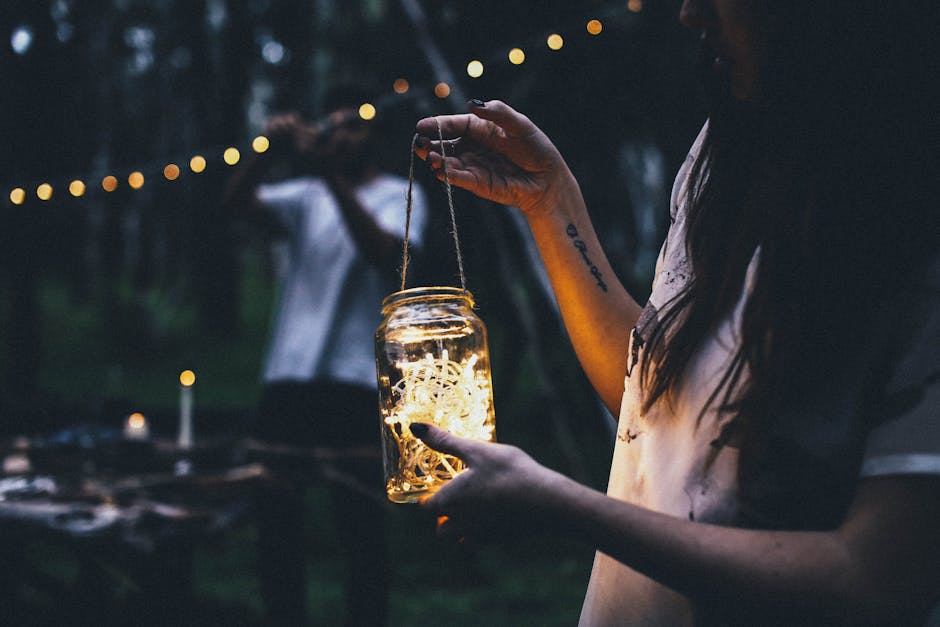
- Set one completed sample jar at the center of the table, lit up if possible. That single visual does more explaining than any instruction card.
Walk-Through for Guests
- Pick a paper theme. Guests browse the center trays and pull a handful of pieces — roughly a loose fistful of tissue pieces, or 8-10 strips of scrapbook paper. Encourage mixing if they want to, but one clean theme photographs better. Good moment for guests to snap a before photo.
- Brush a thin coat of Mod Podge onto a small section of the jar. About a 2-inch patch at a time. Working in sections keeps things from drying before the paper goes down.
- Lay paper pieces onto the wet section and smooth down with the brush. Overlap edges, let pieces wrinkle slightly — that texture catches the light beautifully when the tea light is on. This is where it starts looking like something.
- Repeat around the jar. Most guests do 2-3 layers of tissue for depth, or a single layer of scrapbook paper for a cleaner look. Encourage them to go up close to the rim but leave the very bottom mostly clear so the jar sits flat.
- Brush a final sealing coat of Mod Podge over the entire outside. One even pass. This is the step that makes it look finished rather than messy. Perfect photo opportunity — the jar looks glossy and polished right here.
- Let it sit for 5-7 minutes before handling. While it dries, guests can add twine around the neck, write a hang tag, or just wait and admire it. Drop the tea light in last.
Scaling the Project: Simpler for Kids, More Detail for Adults
The core activity is the same for everyone, but a few small adjustments make it run smoothly across age groups at the same table.
For kids (roughly 7-11), pre-tear all their paper into big chunky pieces and stick to solid tissue colors. Skip the scissors entirely. Three colors maximum — too many choices and they spend 10 minutes deciding and 5 minutes making. A parent or staff member can handle the final Mod Podge sealing coat if the child is getting impatient. They'll still feel like they built the whole thing.
For adults who want more complexity, put out the specialty prints and let them use scissors to cut custom shapes — leaves, stars, geometric strips. Some guests will spend the full 20 minutes on a single beautifully layered jar. Others will bang it out in 12 minutes and start adding twine embellishments. Both are fine. The station doesn't bottleneck either way.
One failure mode I've seen consistently: adults who want to do "too much" and layer wet paper over wet paper without waiting. The colors bleed and the paper tears. A quick verbal heads-up when they sit down — "work in small sections and let each patch tack up before adding the next" — prevents 90% of that frustration.
Display and Packaging Tips to Make Your Lanterns Gift-Ready
This is where the station earns its keep during a shop hop. A jar that looks display-ready the moment it's done is a jar that guests are proud to carry through the rest of the event — free walking advertising for your shop.
Set up a small "drying shelf" or tray near the exit where guests can leave their jars for 10-15 minutes if they want to keep browsing your shop while it sets. A few jars glowing on a shelf near your window is genuinely eye-catching from the sidewalk.
For packaging, a simple paper bag with tissue stuffing works fine. If you want to go one step further, a small cellophane bag closed with a twist tie keeps the jar visible — guests can see what's inside when they set it on a table at home. Add a small card that says "battery tea light included" and maybe a note about Mod Podge being water-cleanup safe, in case someone asks at home.
Seasonal theming is the fastest way to make the station feel fresh each time. Fall = warm oranges and gold tissue with leaf prints. Winter = silver and white with snowflake scrapbook paper. Spring shop hops do well with botanical and floral prints. You don't need new supplies, just new paper trays.
If you're looking for other fast, beginner-friendly ideas to round out your shop hop lineup, painted rock stations and pressed flower bookmarks both pair well alongside a lantern station for guests who want variety.
Tips & Variations
- Warm white tea lights only. Cool white makes the colors look washed out and the whole thing feels clinical.
- Keep a dedicated "oops jar" at each station — a spare jar where guests can test a color combo before committing to their real one. Takes 30 seconds to set up and prevents a lot of mid-project anxiety.
- I always put out a few strips of gold tissue even when it's not the main theme. Guests gravitate toward it, it photographs beautifully, and it adds a premium feel without adding any cost.
- If a guest's paper tears mid-application, that's fine — overlap a fresh piece over the tear. The layered look is part of the aesthetic.
- For a pop-up variation with no drying time, skip the final sealing coat and send guests home with a small bottle of Mod Podge and a card explaining the last step. Some shops actually prefer this because it keeps throughput faster.
- Jelly jars (half-pint) are a good option if you want a shorter format — same process, smaller surface, done in 12-15 minutes.